Outdoor Storage Sheds – Time for Fall Cleanup

Another year is coming to a close close on your gardening efforts, and it’s time to put your tools away for the winter months until you need them to cultivate and nurture next year’s garden. There are many preparations that you can employ to safe guard your gardening implements so that they will give you years of uninterrupted use. Before you lay your tools to rest, you may want to follow some helpful storage tips.

Getting Your Shed Ready
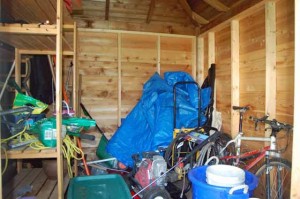
The first thing you want to do is get your outdoor storage sheds organized and ready to accept all of your gardening tools and summer toys and furniture. If your shed is nice and clean it will be easy to put things away as you follow the steps below. I like to take everything out and give the inside a good cleaning. Then as you put things back you decide if there are things you should throw out or find a better way to store them. You will find at the end you will have a very clean garden shed and you will have more room to store things.

Addressing Your Cleaning Needs
Using such things as steel wool and scrubbing pads that are meant for barbecue grills, you can take off the grime and caked on detritus that have made their way onto your trowels and spades. First you need to give your tools a bath in soap and water to loosen the material, and then you can scrub them clean. Remember that before you set them into place in your shed, you need to let them fully dry to prevent any rust that may form during the winter months.

Protecting Your Tools
You should also sharpen any blades, such as you gardening shears and your lawn mower blades. For a clean, sharp edge, use a whetstone. Once you’ve sharpened your blades, it is a good idea to coat them with a protective medium. Many gardeners have found that linseed oil is perfect rust preventive. After all, you don’t have to deal with rust when you pull out your tools next spring.

Gathering, Labeling, and Storing
You should also collect any garden hoses that you may have lying around, drain them of their water and allow them to dry completely. It would be a good time to check for any leaks and repair them using a vulcanized rubber repair kit. Also you should clear and clean any fertilizer and pesticide applicators. Allow these to dry completely before storing them in your shed. You should also collect any unused and partially used containers of such things as herbicides and pesticides. Be sure these are sealed correctly and labeled clearly to avoid spillage and any confusion that might result in misuse in the coming year. You should also be extra sure that these dangerous products are stored in proper temperatures and either in a locked cabinet or high on a shelf that is out of reach of pets and children, no matter how good their climbing skills.

Fueled machinery such as the tiller and mower should be run dry or drained of their fuel for safety reasons and to ensure that you don’t have to contend with soured gas when you bring them out for use next spring.

By following these preventive steps you will be able to keep you equipment in working order for years to come.

Choosing a Garden Shed Design That You Can Build

Have you ever looked at the outside of your home and wondered what was missing? Often people forget to design a garden shed into the layout of their outdoor space, and by the time they realize that they have forgotten one, they need one quickly. This is when homeowners tend to go out and purchase a plastic garden shed, because it is quick and inexpensive.

A plastic garden shed, however, is not always the best thing for your gardening needs. It can be a great temporary solution, but if you’re looking for something a bit more permanent, you may want to create something that matches the overall feel of your home.

garden shed plansLots of Shed Options
The first thing you may discover when you are looking to garden shed design is the sheer number of choices you have. Garden sheds have gone beyond the world of simple outdoor buildings into being something that actually blends with the design of your garden and home. The first thing you should decide when planning on a garden shed is what type of material you want to use during the construction process.

You can make a shed out of almost any material you can think of, from concrete to wood to even brick. It is a good idea to use a material that is similar to your home. For instance, if you have vinyl siding on your home, you may want to choose a siding that matches. You can, however, create something entirely different to give your garden a wholly different feel, if that is what you desire. For example, if you’re working to create a classic Victorian garden, ensuring you include the textures and pitched roof designs that are indicative of the style is essential.

Simple or Complex
The next thing you need to decide is whether you need a fast, basic construction or you have time for something a bit more complex. A simple design may be easier to implement, but that does not mean that it will look better in your yard or even be less expensive to make. A more complex design may take longer to build, but it often will be one that lasts longer and looks better as well.

You then need to decide the purpose of your shed. If you are looking to use the building simply as a place to hold your tools, you may want to use a simple design that has no windows. You may also want to have larger doors as a way to make it easy to get your tools out of the shed. If you need a multipurpose shed, including windows for air in the summer, large double doors, or even a small porch may be a necessity.

There are a number of different options that you have when it comes to selecting the right garden shed design for your home and yard. It is important that you select a design that not only flows with your home, but that flows with your outdoor theme as well. With a little time, you can choose the perfect design for your home, making your garden and grounds look even better.

Build your own garden shed with these plans by Big Hammer: garden shed plans

The Plans in Big Hammer Shed Software

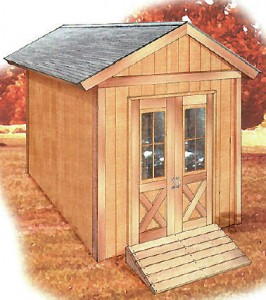
Badger Wood ShedIf you are thinking about building a shed for your garden or backyard there are a few ways you can go about it. You can build it yourself, pay someone to build it, or my favorite – invite your friends over and make a day of it. It’s always fun to get your friends together and it is a good project for a weekend if you properly plan it out.

As part of the planning stage there are a few ways you can go about it:

  • Purhchase a kit
  • Purchase plans
  • Design your own plans

Big Hammer has created a software package with 16 designed sheds. It comes with comprehensive plans, how-to guides and detailed shipping lists to simplify your project.

If you are interested in looking at pictures of the 16 shed plans, please click on storage shed designs.

Tips for Replacing a Shed Floor

The snow might still be sticking to the ground, but based on 2 out of 3 ground hogs, spring is just around the corner. And the days are getting longer and it’s finally time to start thinking about your outdoor space. Maybe not time yet to get outside and doing gardening, but we can start planning things now so when we put our skis and skates away, it’s time to start building.

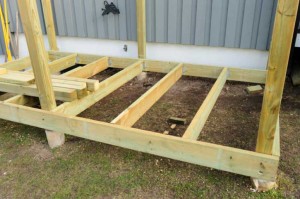
Replacing a shed floor is not an easy task to accomplish, although you can certainly make the task easier for yourself by following the laws of common sense.

Common sense is a funny thing, though, and it is sometimes not as obvious to us unless someone else points it out. Here are some common sense tips to keep in mind in order to make replacing the floor or your entire wood shed. This will make the project a lot easier and enjoyable.

Do not repeat your mistake: While a lot of people replace their shed floor in order to get an upgrade, most people that are replacing the wood floor are doing it because of a problem with the floor they have now. Make sure you know exactly what caused your current problem before you make any changes to the floor or the rest of the structure.

For the complete article, with nice pictures, please click replacing your shed or shed floor.